Episode Transcript
[00:00:02] Speaker A: You're listening to Home Health Revealed, where the business of home health comes to life. Hosted by Hannah Vail, each episode brings real conversations with the leaders, innovators and experts shaping the future of the industry. From reimbursement and technology to leadership and growth. This is Home Health Revealed.
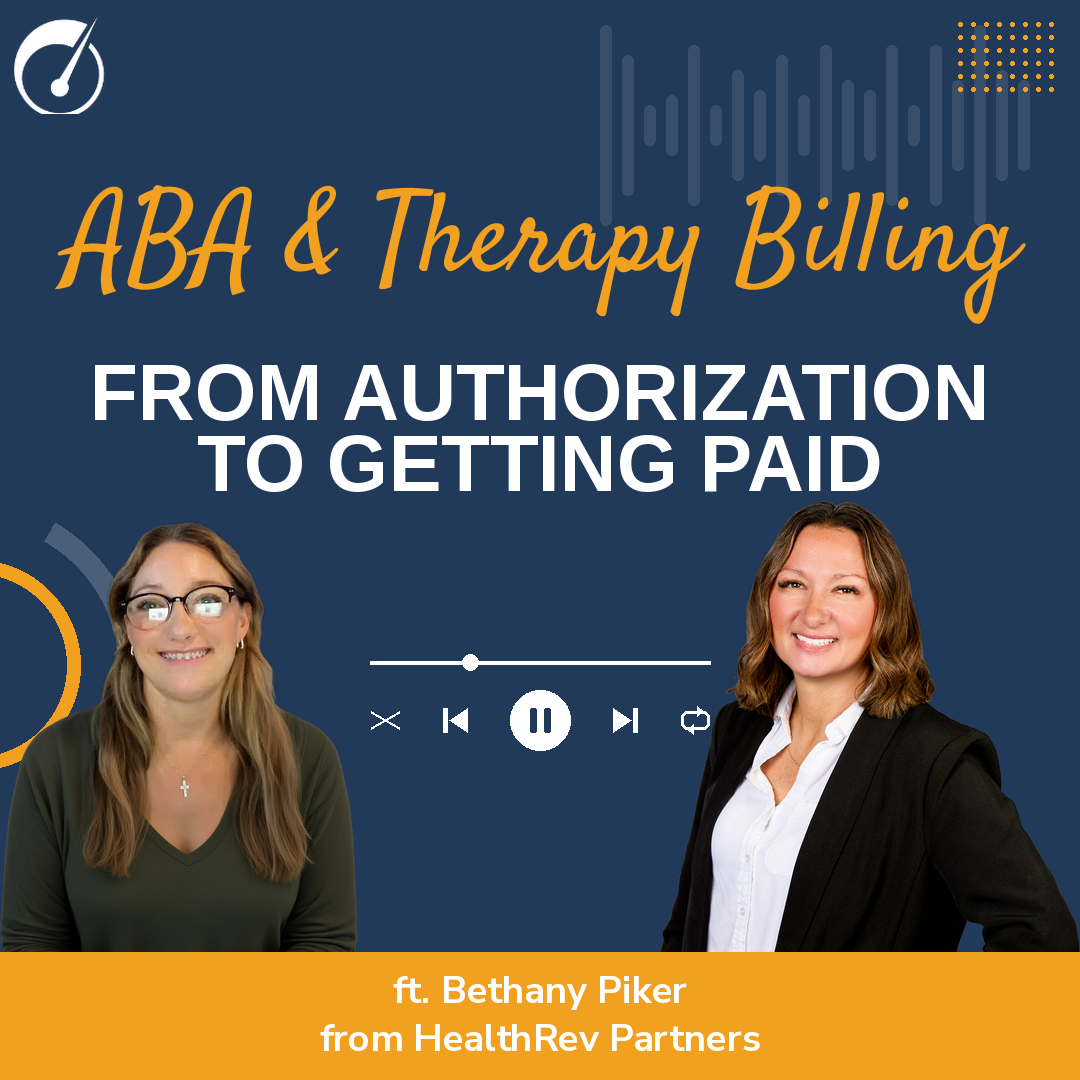
[00:00:20] Speaker B: Welcome to Home Health Revealed. I am your host, Hannah Vail, and I have with me today Bethany Piker. Bethany is an ABA and therapy biller. She leads a team at Health Rev. And so I wanted to and talk with you about some of the processes and things that we do, but also best practices. So first I'll give Bethany a chance to introduce herself and talk a little bit about her background. BETHANY
[00:00:42] Speaker C: so I do have a medical background. I was a certified medical assistant for a really long time. So I have worked in pediatric and other specialties as well. With that working answering questions for patients through a weight loss company. I have a lot of experience with the billing systems and diagnosis and medical terminology and have done this a little bit and then got into it here with Health Rev, getting into the billing and administration side of doing claims and treating and helping patients that way.
[00:01:11] Speaker B: So talk let's start with the ABA billing basics. So talk with me about ABA billing work from authorization all the way through to actually getting paid.
[00:01:20] Speaker C: All right. So it is a little a process. A lot of that is the background work from the facility that you're billing for. Really those orders initially will be coming from the patient's doctor, family care doctor, pediatrician, you know, they're going in there and then they're usually the ones that are referring or recommending additional services.
So they will get a referral over to the clinic with any paperwork, notes, medical documents, diagnosis codes, what they are recommending for the patient. And once that gets over to the clinic, they then would schedule an assessment of that initial appointment, kind of determining if something if they can give the services that are recommended and then they would come in, usually it's also with the family. And once that's done, then they get put into the system, do their eligibility and authorization and get those authorizations for the upcoming appointments. For any of these services, they have anywhere from one to, you know, five visits a week. It can be every day, sometimes depending on the severity of their needing. And sometimes it's multiple appointments a day. If they're getting more than one of those services and then provider creates the claim as they're going through that appointment with them, and then their notes are with that claim. We send that claim over after checking some things on it and Send that over to the insurance that we have for them.
[00:02:35] Speaker B: A lot of what you're saying gets billed out is really dependent upon the documentation that comes in. So documentation practices, they're so important from the perspective of the agency and what's being done even by the individual clinician.
[00:02:51] Speaker C: Yeah, I mean, you know, you gotta think if you have kids and you take your kid in somewhere, you're the one that are seeing some of the things that maybe they're struggling with. Like I said, we do physical therapy, occupational therapy and speech therapy. So if. And behavioral. So if you're seeing these things, you'll probably have taken them to your doctor, pediatrician more than once for these things and watching them. So a lot of that information that's coming from them is crucial to how you're going to be handling their care as at your clinic. So that's really. A lot of that paperwork is coming from them and they go based off of that. And then of course, make their own what that. What they can do as far as if they're getting occupational therapy. Okay, what can I really do to work with them and improve these things? But yeah, we're really all working together, but we have to have that in place before we can even send over for authorization. Typically we need that paperwork because the insurance is requesting it.
[00:03:37] Speaker B: And this can be in the clinic or delivered at the home.
[00:03:42] Speaker C: Yeah, we do bill for in home as well. And some of it's virtual. So some of these appointments that the clinicians provide is virtual. So it's. Some of them may just meet with the parents and kind of do like a parent information. So it's like going over with the family, what the family can do at home to health, how it's going, what different things that they're working on. Some of those are like telehealth appointments. They do also go in home as well. We have elderly patients who are needing recovery, like physical therapy recovery. So it isn't just kids, but we do also like workers comp. If there's an injury, they're recovering from surgery, things like that, you can. They can come in and have occupational and physical therapy to do in home. Virtual. And mostly, though it is in the clinic.
[00:04:20] Speaker B: When you see these claims come through, what are some of the most common reasons that you see an ABA session gets delivered? You know, the care is delivered, but then it doesn't get paid.
[00:04:32] Speaker C: Probably the most common, or maybe the top two would be diagnosis codes. Some specific insurance won't pay for specific diagnosis codes as primary. Or they only want one as primary. So if the patient has multiple, which most of them do, just really got to be careful if it's not in there already. Usually that happens on the call. With ena, the only one, a specific diagnosis is primary. So it's kind of based on the coverage or the insurance plan that they have, as well as specific. So you just have to make sure your diagnosis codes are correct. And of course matching what actually is there. Sometimes that does have to go back and have that be corrected or just making sure it's the primary diagnosis on the claim before sending it over.
And if it isn't, you know, they'll. They will deny it. And then another one is probably if it's overlapping with another service, you, you know, that can happen where you can have multiple services in a day and get it billed correctly, but you really have to specify on that claim the time, start time and end times. So that is one of the biggest things too is maybe partially. The claim may partially get paid and then they may deny a line because it's overlapping with another one, even if it's by a minute. So you just have to really carefully make sure that is on the claim, very specific.
[00:05:45] Speaker B: If an agency is listening to you and they're thinking about, okay, what are, you know, what are my common denials. I think what I'm hearing you say is make sure you know, your payers, primary and secondary, know what their expectations are, what their codes are, and then also make sure. And I think it's important because there are people who don't think you could bill different disciplines on the same day, but you can. In fact, you just have to be very specific about time overlaps, something on a separate line and then attention to detail, like making sure that the claim goes out with nothing overlapping, even. Even for a minute.
[00:06:24] Speaker C: Right,
[00:06:24] Speaker B: right.
Distinguish
[00:06:25] Speaker C: modifiers you can use and you can even put notes in there. They do usually have to be specific, but you can, you know, kind of add notes into a specific section on your claim and do you know, start time and end time to your claim even though it says it. There's another part that. To saying that so that when it does come over to the portal to whichever payer they're going to see right off the bat, okay, this isn't an overlap. I see their times here.
And it's going to get looked at right away and approved versus having to go back and kind of prove that your times are not overlapping. You can get it right the first time, but you can definitely bill multiple claims out. Probably do that really about as often as we do just one or two appointments in a day, a lot of the patients will come in and they're there for hours because they're getting all of these services done. And yeah, as long as it's documented correctly and put in the claim correctly, there's. You should get paid for that entire claim.
[00:07:19] Speaker B: Is there anything else you think that when you're checking an ABA claim before it goes out, what all are you actually looking at besides those time overlaps? I know you've already talked about that.
[00:07:30] Speaker C: Yeah. So there are several things that we look at. I guess depending on what billing system that you use, we do have to check multiple things. So when the provider is creating the claim, putting in your basic things. So we just have to make sure that the authorization is in there, that the dates of service are within that authorization period and it's not expired and that there's still units left. So when you bill aba, you're billing units, so you got to make sure there's enough units left in that authorization before billing it out. Also making sure that location is matching with that authorization, making sure that the rendering provider is in there as well as the signing or servicing provider. A lot of times they're different. So making sure you have those correctly with their different credentialing, making sure the note matches what the claim is saying. Sometimes that can get a little. They'll mess that up sometimes or just overlook that.
And just making sure everything, like I said, is correct both on the claim and the note time units, who's signing, who's rendering those services. All of that has to be exactly the same, just in case there is an audit. So we are checking all of that, making sure the modifiers correct, which that can be based on what they're getting, what service they're getting, as well as what the credentialing is of that provider. So it's different for ABA than it is for, you know, speech, OT or pt.
[00:08:48] Speaker B: As an outsourced billing company, what does an ABA billing company actually handle? And then what responsibilities still stay with the clinic?
[00:08:57] Speaker C: Yes, again, for our specifically, we do handle their E and A, so their eligibility and authorization. We do handle that on our side. We do place that in the system and update that as the month goes on. And then we do those claims pretty much start to finish. So what I had just mentioned previously, checking all those things and then making sure it goes over to the correct payer. And then we also work on secondary. So if those payments come back, we post those payments and then we if there is a secondary insurance, we post to those as well and making sure that goes over getting gets processed. We also do the rebilling. If there's any denial, any follow ups that are needed after they're submitted, we work on those as well. Any rejections, pretty much start to finish with those claims, we are handling those. Any direct communication is with the facility. So we don't directly communicate with the patients. If there's something we need to talk about or you know, ask a question about if insurance changed or anything like that, we just let the agency know that we're working with and they'll reach out to the patient or the parent and you know, kind of get that information for us. So
[00:10:03] Speaker B: we
[00:10:04] Speaker C: don't do direct communication with them any like I said, insurance changes, we just communicate with them over that.
They do also make sure their own providers are credentialed in a system with their payers. You know, any changes that are needed, we do that. But they do all of those initial claim creations.
[00:10:19] Speaker B: So you really take care of documentation review and some making sure all of the data points are present, ready to go. And it allows the agency to focus on the relationship piece, whether that's delivering the covered care or even the communication with the families and patients. I think that's really important because I think all of those relationship things are things only, only the caregiving agency can do. That's what they are trying to build. We are able to. And your team is able to take on the burden of the mundane. I guess the follow up, doing the things that nobody else, nobody else wants to do. Is that fair? Nobody else wants to do
[00:10:59] Speaker C: that. Exactly. And a lot of times they, the agency doesn't even realize what information they need or what we will need to handle those.
[00:11:06] Speaker B: Fair. Yeah.
[00:11:07] Speaker C: So yeah. So it's communicating that it's not always real overlook on their end or anybody's. It's just they don't know. So if we're coming in saying hey, this claim isn't getting paid because you don't have a credentialed provider with them, oh they didn't know that. You're, you're the one relaying that information to get these claims paid so they can even know in future, no. If they bring on a new insurance payer that has to be done. And there's just really, we're the experts here on that. So on the billing side so we have to just really relay things that come up or that if it comes up in a denial, we're relaying that information. So they can be aware and also make those changes to get those bills, claims paid.
[00:11:43] Speaker B: And then you're meeting with your agencies weekly which keeps that line of communication between back office kinds of functions and them open. What are some of the things that you talk about in weekly meetings?
[00:11:57] Speaker C: We do meet weekly with our.
And it is nice, you know, you see faces even if it is virtually. And yeah, yeah. You develop those relationships. Even just. We do chat throughout the week as well. We use teams, Microsoft Teams. So we're in there quite a lot during the week. Just hey, I'm meeting this. Any updates on this? I mean we do. I feel like we do really have a good way of communicating with them and making it kind of personal, professional. We just kind of talk about what claims we have that are waiting on insurance approval in the process of getting paid, how much we have posted for the month so far, any issues we're having with either a patient or specific payer with the billing side, just different things like that. We kind of just touch base on things during the week. If they can't, you know, if they're not pressing, we just meet, go over them on that weekly meeting. Yeah. And we have reports, we pull reports for them. Any really just a time to kind of all group up together. If we need anything from one side or the other, we kind of discuss that at the time and then we follow up with whatever's needed.
[00:12:57] Speaker B: Yeah, it's a good get to know you. But it also creates predictability for. This is what we're anticipating.
This is what's been posted this week so far. I do really like
[00:13:05] Speaker C: making things very clear. Yeah. I mean there's no, hopefully there's no room for question. I mean if, if there is, they'll reach out. But yeah, we're very transparent with what we're doing with our reports that we have. And it's, it makes it very clear what we're working on, what's going out, what's coming in, what's getting paid. So it's just really nothing to hide type of a thing. So we just have that communication every single week with them. And it's just, it is nice. You just. How's your week going? Checking in and then going over the thing that want to get discussed for that week.
[00:13:36] Speaker B: Yeah. If you had to give a new ABA clinical owner some advice, what would you say to them?
[00:13:43] Speaker C: I'm kind of back to like doing multiple appointments in a day and getting those paid. I would have, I would just make sure that they're checking their billing. If they're opening it in clinic.
So if they're opening in clinic, I would definitely say to have their not allow their staff to pick their own billing codes. With ABA therapy, it's clinical staff is based on patient care improvement, quality of life, like being those milestones. They're not. That's
[00:14:10] Speaker B: what they should be focused on.
[00:14:11] Speaker C: Yes, right, that's correct. But they're not always billing, compliance, doing it that way. So if they're just in there picking all these different codes that they're doing, which is true and that's great, that's going to leave issues though when we go to bill because that's going to kind of open up for almost a free for all letting them just kind of pick their own codes to bill.
So doing a session lock for only certain billable codes and that's going to, you know, allow for less errors and usually less insurance denials, at least instantly. So just having certain billable codes that are allowed and of course in the notes they can say anything additional that they did, but that just leaves it for less error and denials. So if they're in there for speech therapy, they're not going to have a diagnosis of not being able to walk or something like that because it's not going to match what they're actually receiving.
So just making sure if they're in there for speech therapy, that diagnosis is matching what you're doing and then putting in there just details of what you worked on and that's going to match if there is any discrepancy in billing or the time that was billed or the amount of units that were billed. If there's ever questions you can send that clinic note over and it's very specific on what was worked on, how much time was spent on the patient in each session and then just closes that gap for any questions, you know, would be their doubt.
[00:15:30] Speaker B: That's great advice. Anything else? Anything? I haven't asked you that you feel like this. You should ask me this.
[00:15:36] Speaker C: No, but I mean, I do think that maybe not really a question, but I mean there is a lot of moving Part two though. There's like I said, different credentials for each different specialty. It's really interesting to be learning all the different things because the insurance can make a difference too. I mean we work with all of the different insurances, Medicare, Medicaid plans, we work with several different Medicaid plans and they're also different. And you know, like you had said, just knowing who your payers are, knowing what they are needing from you, one you have to think about who you're working with at your posting or your billing in that moment and what a modifiers that specific one needs versus another one. So it is. Pay attention to detail quite a bit. It's fun because things do change. And so every year I would say they update, they pay what their protocol is and things. And so you do kind of have to keep up to date with, with all of those things.
Keeps you on your toes and you thinking about it. So it's hard, you know, it's hard to say, you know, that they don't cover a certain thing. It just really depend on the patient, what supporting documents are there, as well as who the payer is. But yeah, you know, it's really, it's really nice because we also see where the patients kind of graduate the program, if you will. So, you know, obviously we see similar, similar patients coming through on billing and then you won't see one anymore. And so on your weekly calls, you can kind of ask about them and they'll say, oh, they graduated the program and so we won't, you know, they won't be our patient anymore. It's kind of sad, but it's exciting because they're meeting those milestones. Yeah.
[00:16:59] Speaker B: Graduation.
[00:16:59] Speaker C: Then you have patients that are kind of replacing them or taking that spot in their clinic. So see, these same patients
[00:17:05] Speaker B: get to know.
[00:17:06] Speaker C: Yeah. You think you know them, but you don't. You just see their name come through on claims and you're like, oh. And then, you know, you feel like you have this connection with them in a kind of a weird, cool way. But. But yeah, it's just, it's kind of fun seeing that and knowing you're a little part of it just getting their claims billed and paid for them. So.
[00:17:22] Speaker B: Yeah, you are. Well, thank you. I appreciate you jumping on answering all my questions and yeah, awesome. If you are listening, I'm gonna link a page in the show notes if you want some additional information and you're listening. Feel welcome to reach out. We'd love to talk more with you.
[00:17:38] Speaker C: Yeah. Thank you so much.