Episode Transcript
[00:00:03] Speaker A: Welcome to Home Health Revealed, the podcast for home health and hospice leaders who want to stay connected to the industry and ahead of what's next. Okay, so I am sitting here with a couple of podcast guests and I'm going to let them introduce themselves and tell you what it is that they do.
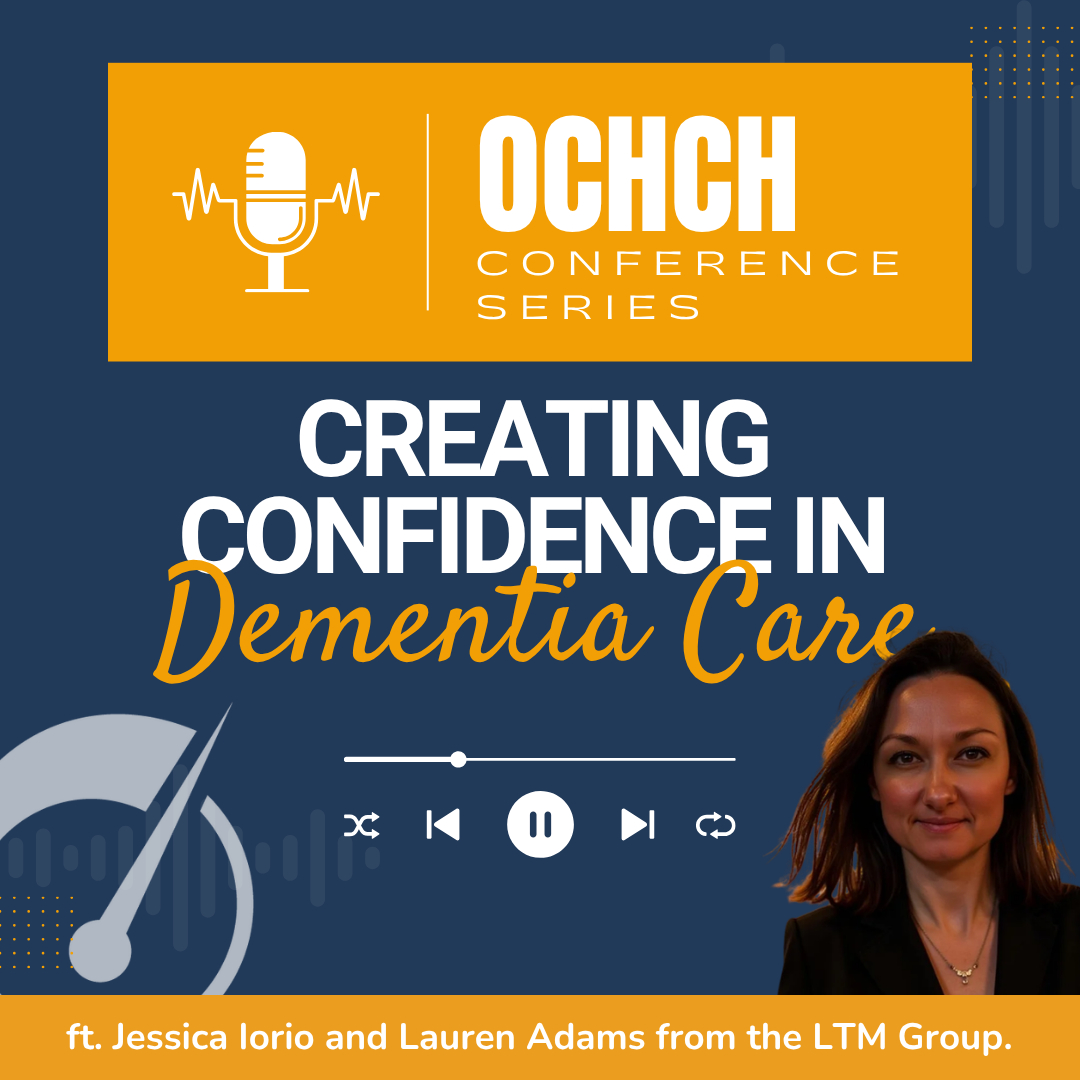
[00:00:19] Speaker B: So I'm Jessica Iorio. I'm the VP of Hospice operations for the LTM Group, specifically Buckeye Hospice Care in Ohio.
[00:00:27] Speaker C: And I'm Lauren Adams. I am the Dementia care coordinator for the LTM Group. So I do all the dementia education across all of our agencies, but specifically for our hospice, Buckeye Hospice Care, we do. Specializing in dementia education and dementia care. We've done extensive education and work and have become the first positive approach to care. Pact designated organization through tpusno.
Because of our hard work and dedication
[00:00:58] Speaker B: to dementia care, we have multiple assisted livings up in Northeast Ohio, specifically that we partner with that are specific dementia memory care facilities. So we really saw the value in training all of our staff and getting them prepared for being able to go out and take care of these patients in the environment that they live in and being a very trusted partner to those memory care facilities.
[00:01:20] Speaker C: Yeah. Because not all healthcare education covers dementia to the extent that we need to be able to take care of this population. So we've really looked at not just the basic education, but skills needed to be able to see success through all this, you know, making sure that they can stay as independent no matter what level of care, and able to do things for themselves with our support.
[00:01:46] Speaker B: And I find it very interesting, like, I feel like sometimes dementia care is being pushed more towards that adult failure to thrive level in hospice care, when really it's those patients that probably need the most love and attention at the end of life. And, you know, I always tell our. Our patients and their families that when you have dementia, you're on a roller coaster permanently. You have your ups, you have your downs. You can have a whole lot of days where you're really down, but then you come right back up and it looks like improvement, but it may not be. It's just that process of where you're at in your disease.
So it's very interesting to work alongside with Lauren and all of our staff to see how we can navigate those ups and downs with them and make it look that they are still actually really declining versus having some sort of improvement where they're going to stay. Because we know that downhill cycle is going to come right after that.
[00:02:34] Speaker C: Yeah. And it allows us to see that decline in hospice but keep them on for longer because we were able to notice those smaller changes. Because, you know, of those up and downs, a lot of times it's hard to notice those small declines. And using those skills and education, you can see those declines happening over a longer period of time. And it's not just like, oh, yeah, they're still. They're still here. No, we can see that steady decline and it's happening, but we're still able to keep them doing the things that we want them to be doing and still maintaining those relationships.
[00:03:07] Speaker B: And it's really nice to see Lauren be able to go out and do dementia, live with these staff members that are caring for these patients 24 7, but also their caregivers. Even though they are in a memory care facility, they may not know what they're actually doing to their loved one is scaring them more than coddling them and comforting them in that time frame. She just did a session the other day at a facility that we're in, and one of the residents came too, and she told Lauren. She's like, I get it now. She's like. Because I would go up to my friend and I would put my hand on their shoulder, but they can't see me. And I'd scare every one of them. She was like, I thought that they couldn't hear me, so I'd get closer. And it was even worse. So Lauren was able to walk her through how maybe it'd be a little bit better to get our friends attention in the facility. Yeah.
[00:03:51] Speaker C: Because we all do that. We all assume we're being kind and, hey, how are you? And. And they have no idea we're there, and then we're scaring them. And then, especially as care partners, we're. We're getting refusals because we just scared them and they don't want to deal with us. So just knowing that small part, even, like, changing our approach, really can help our jobs be easier because we're not getting the. No, no, no, no, no, I'm good. I'm good. Because then they. They can see, oh, I didn't scare them. They are here to help us. They are here to take me to do whatever it is without being like, I'm being forced to, or I don't know who this person is, but they were not nice. And that's what you get a lot of times is that feeling of, oh, this is not a nice person, because we've repeatedly done the wrong things. So just giving people that insight into one small change to really change the whole Outcome is huge.
[00:04:44] Speaker B: Yeah, agreed. I think it's really cool, too, that all of our staff, from supervisors, management, all the way down to AIDS volunteers, they all go through this training.
So we can all kind of see how we can help each other out. We. We do a zoom meeting every Wednesday to talk about some patients if we're having some issues with them. Lauren can give tips and advice to our caregivers. But it's especially interesting to see our aides and how it kind of changes their aspect and how they go about it, because previously so many aides would go into the facility and say, they're declining, they don't want to shower, they're telling me no, and just trying to teach them and go towards that re approach versus saying, nope, they told me no, they don't want a shower, I'm done for today. You know, they may go and see another patient and try it, you know, 20 minutes later or half hour later, stay until after lunch. Maybe after lunch, they feel a little bit better and more energized and they want to go do it. So it's very interesting to see and see Lauren teach our staff, you know, to be able to do those things.
[00:05:41] Speaker C: And I think it's nice, too, because I've been in their shoes and you get the reveals and you're just like, I'm doing something wrong. But to know that everybody else is in the game with me and like, okay, you're doing good, or we just, let's try something different, or having somebody else come in and support me to be able to say, like, you're doing it good, try it this way. And seeing those changes in person makes a big difference too, because I feel like. I feel like from the start, not only do they feel empowered to be able to do their task better now, but they feel like I can show other people how to do this too.
[00:06:14] Speaker B: Agreed. And I think, too, you know, all clinicians are trained to be really good healthcare workers. You know, they are taught to be great nurses, great aids, great pts, great ot's. But even my parents, who went through dementia with my grandparents who were both nurses, they had no clue. And it's very interesting to see that while you may be a really great clinician, you can take great care of your family members or your patients or whatever it may be that you need to change a couple things to be able to address this a little bit easier with them, because it's not taught.
[00:06:46] Speaker C: So I'm an occupational therapy assistant, and it's not taught. When you go to your education and do those things. You're not taught, but you think you know it. And until somebody shows you something different, you think you know. You think you're doing it right. You think you're doing it the best you can because I'm taking care of the person, when in reality you're just causing a bigger problem.
[00:07:06] Speaker B: Yeah. How many times have people said, well, mom's just very argumentative with me, or she doesn't like me right now because I put her in a facility? That's really not the case.
[00:07:12] Speaker C: Yeah. And I think it also helps the families have a better understanding of what their loved ones are going through. Because so many times you get that diagnosis and it's just like, oh, well, okay. They don't understand the diagnosis fully. So being able to have our staff have that education, they can share it with family and so they can better understand the journey as well.
Across all of the care, you know, from home care to initial diagnosis to the end of life, so many people don't understand what dementia is. Truly, going into these facilities and doing events like Dementia Live, you get people who are like, well, what is dementia? So giving that education and again, those simple skills to be able to say, like, this is how you can help, and this is what it actually is, I think, helps people understand and be able to interact with those people better and make the care process from anywhere in the journey much more successful.
[00:08:12] Speaker B: And I think it's really important to educate on the decline because so many times we've gone out and talked about hospice to individuals who may be at, like, a memory care cafe or a dementia caregiver support group. And hospice sounds amazing to them. You know, I'm like, you're gonna get so much extra care. You're gonna get aids. You'll get all of your equipment, your incontinence supplies, you know, all this stuff. And they're like, yeah, sign me up. And I'm like, unfortunately, you're loved one doesn't qualify for hospice quite yet. So it's nice that we have Lauren, who serves, like, the entire aspect of the care lines, you know, to be able to say, okay, yes, you're right here and you're trending that direction, but you're not here yet. So how can we help you going forward where you're at right now?
[00:08:51] Speaker C: Yeah. Because it's hard. It's hard to accept that, oh, this isn't. This isn't as bad as it's going to get.
So making sure that they understand, like, it. It is going to get much worse. But we're here to support you and here's how we can make it better for you.
Because again, understanding the whole journey is a big thing that people are missing out on, you know, because all those things do sound amazing and I would want those things, but I want them now, you know, but they're not, it's not appropriate right now. But making sure that they know when it is appropriate and what other resources are available until that point is a huge thing.
[00:09:28] Speaker B: Yeah, for sure, for sure.
We just had a very interesting meeting with private duty agency and they're starting to really latch onto this too. So it's really nice to see that other service lines are really starting to knowledge and navigate these waters alongside of us. But, you know, they've really taken things virtually and they've seen that maybe sometimes having somebody in the home is not the best route. So there was virtual routes that they could take and they were starting to introduce into folks homes. So it'll be really interesting to see kind of how the whole landscape changes within the next, I would even say five, five years.
[00:10:01] Speaker C: Yeah, it definitely, it's going to change and grow. And I think, I think like the technology is a fantastic thing, but even making sure the people who are, you know, watching the cameras and using that technology have the education as well so that they can see those things to help navigate that because they're the ones with those eyes on it for, you know, that moment. So making sure that they have those, that education and, and observation skills, because that's a lot of it is observation skills is important too. Everybody needs to, I am very passionate about. Everybody needs to know what dementia is and all, what you can do and how we can support these people.
Because so many times it is a doom and gloom diagnosis. But there is, we do have the ability to provide support so it's not so doom and gloomy. And you can still enjoy those moments.
Even on your last days of hospice. You can still have those wonderful moments with your family member who's living with dementia because you're doing the right things at the right time.
[00:10:59] Speaker B: Yeah. And I think the stat is that almost everybody has probably been in touch with dementia at some point in their life, but it's only going to get more, you know, I mean, I don't, I don't really see an ease in the curve that we're kind of in right now. So I think, you know, those that may have not been touched by that, it's, they're very lucky.
But let's go ahead and prepare you for when you are touched by it and how you can prepare yourself and your families and your loved ones so that they aren't so scared if they get that diagnosis. Yeah.
[00:11:26] Speaker C: Because it's coming and it's happening younger, too.
[00:11:28] Speaker B: Yeah.
[00:11:29] Speaker C: Which is the thing People don't realize. It's not just the older population at this point that it's happening to. Diagnoses are happening earlier and earlier, which means people are transitioning to hospice a lot sooner than they realize that they would be because they've had the disease for 10 years and they were diagnosed when they were 40.
[00:11:47] Speaker A: Wow, that's such great points that you guys are making, and I love the education aspect of it. Thank you so much for coming up and talking about it. I think this has been a really valuable conversation. And you're right, we're seeing more and more patients with dementia, and there's a lot of questions surrounding it, even the whys and hows. And so having resources like you all is going to be very valuable as we continue to learn more about the. The disease as well as the best practices for care. So thank you guys so much.